Article
Face Explained: The Invisible Currency of Honor in Xianxia Novels
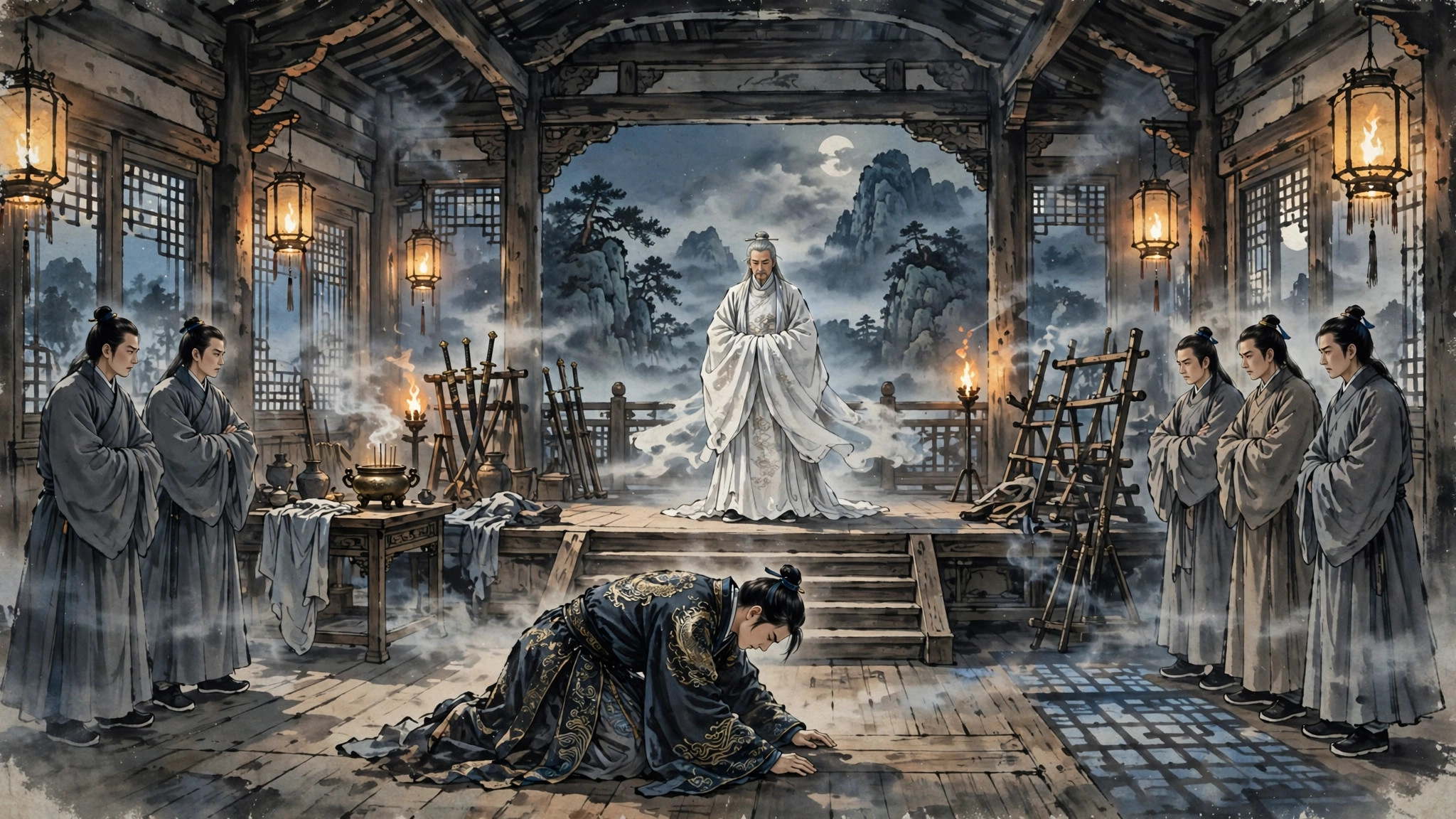
The young master sneers, calls the hero a worthless cripple, and waits for applause. Instead the hall goes silent. An elder stands up, smiles thinly, and says four words that make every veteran reader's stomach drop: "I will remember this." No sword is drawn. No spell is cast. Yet everyone in the room understands that a war has just been declared — and the young master lost it the moment he opened his mouth.
*"Face" (面子, miànzi) is the Chinese concept of social reputation and prestige: a person's standing in the eyes of their community, built up through achievements, dignity, and honorable conduct, and destroyed through public humiliation.* In xianxia and wuxia novels it functions like a second currency alongside cultivation power — characters earn it, spend it, protect it, and go to war over it. Once you understand face, a huge share of xianxia plot twists stop looking random and start looking inevitable. (For the genre's basics first, see our beginner's guide to xianxia.)
Face is not a genre invention. It is a real social concept in Chinese culture that English borrowed centuries ago — the Oxford English Dictionary notes that "to lose face" is an English expression derived from Chinese usage among Western traders and diplomats in China. Wikipedia's article on the sociological concept traces the academic distinction to anthropologist Hu Hsien Chin's 1944 paper, which separates mianzi (prestige earned through success and standing) from lian (moral reputation earned through decent conduct). Xianxia novels mostly run on the mianzi side: status, prestige, and the appearance of strength.
Three properties make face work the way it does in the novels:
In most Western fantasy, conflict comes from clashing goals — the villain wants the artifact, the hero wants to stop him. In xianxia, an enormous number of conflicts start with face. A character is mocked at a banquet, refuses to swallow the insult, and demands satisfaction; the demand becomes a duel; the duel becomes a blood feud between two clans that lasts four hundred chapters. Scenes where a villain seems to overreact to a minor slight are usually face plots in disguise.
The pattern is remarkably consistent. First comes the provocation: a superior sneers at the hero's background, talent, or betrothed. Then the public wager: unable to back down in front of witnesses, both sides stake their reputation on some contest.
This also explains the archetype Western readers find strangest: the arrogant young master. He isn't stupid for picking fights he can't win — he's trapped. In a world where backing down publicly costs more than losing, doubling down is the rational move. Readers call such characters "courting death" (a rough translation of 找死, zhǎosǐ), because the story has taught everyone — the character included — how this ends.
Face isn't only lost; the genre is equally interested in how it's gained. Heroes accumulate it the way they accumulate cultivation: steadily, visibly, and in front of witnesses.
If earning face is the hero's business, losing it is the villain's — and the genre has a whole vocabulary of humiliation. Public defeat is the obvious one, but the subtler losses sting more: being ignored by someone important, having a gift refused, being corrected in front of juniors, or discovering that the "trash" you mocked has surpassed you. Broken promises are among the worst, because they spend the moral kind of face (lian) along with the prestige kind.
The worst fate is to lose face without a path to recover it. A villain who is defeated but allowed to retreat with dignity can come back stronger; a villain who is mocked, stripped of status, and sent home in disgrace has nothing left to lose — which is exactly when they become dangerous. Smart heroes in the genre know this, and the wisest ones practice the art of the next section.
If losing face starts wars, giving face (给面子, gěi miànzi) ends them. To give someone face is to deliberately show them respect in public: accepting their apology gracefully, praising them before their peers, declining a duel they would lose, or letting them retreat with dignity intact. It costs the giver almost nothing and buys enormous goodwill.
Watch for this in the hands of the genre's clever characters. The experienced elder who smiles and says "the young are spirited — let it pass" is doing face arithmetic: a dead young master means a feud with his clan, while a spared one means a debt. The heroine who publicly thanks a rival for "going easy on her" hands him face he didn't earn — and now he owes her. Giving face is how the powerful stay powerful without fighting every battle, and readers who track it will notice that the characters who survive longest are usually the ones most generous with it.
There's a mirror concept worth knowing: refusing to give face (不给面子). When a character pointedly ignores a toast, declines an offered gift, or answers a greeting with silence, the snub is the message. Translations sometimes render this as "not giving face" or "showing no respect" — either way, in-story it reads as a deliberate declaration of hostility, and everyone watching understands it instantly.
English-speaking readers often map face onto Western ideas of honor, and the overlap is real — both involve reputation, both can demand satisfaction. But the differences matter. Western honor, in the knightly tradition, is largely about personal virtue: keeping your word because of who you are. Face is social: it exists in the eyes of others, which makes it both more fragile and more tactical. A knight's honor survives witnesses or no witnesses; face without an audience barely exists.
This is also why face plots can feel alien at first. A Westerner reading about a clan war started by an insult at a banquet may think the characters are thin-skinned. They're not — they're playing a game where public standing is power. In the cultivation world, where strength determines everything and everyone is constantly measuring everyone else, the banquet hall is as real a battlefield as the arena. The characters know something the new reader doesn't yet: in a society built on prestige, humiliation is never "just words."
Once you're watching for it, face becomes a lens that sharpens the whole genre. When a character insists on a public duel instead of a private settlement, ask what's at stake for the audience. When a villain monologues about the hero's low birth, notice that he's spending his own face to buy the crowd's contempt. When a master accepts a clearly inferior gift with effusive thanks, that's giving face — and probably the start of an alliance.
The payoff is that the genre's emotional beats land harder. The face-slap scene isn't just a bully getting owned; it's a transfer of social wealth from someone who inherited it to someone who earned it. The magnanimous pardon isn't just kindness; it's a display of power so complete that mercy itself becomes the flex. And the elder's quiet "I will remember this" isn't a throwaway line — it's a promise that the ledger of face, like the ledger of cultivation, always gets balanced in the end.